
Michigan winters are beautiful but dangerous. Jack Frost may paint a picturesque landscape, but icy roads, heavy snow, and freezing temperatures create some of the most challenging driving conditions of the year. If you’re planning to drive during Michigan’s cold season, understanding winter towing risks and how to stay safe is essential for your survival on the road.
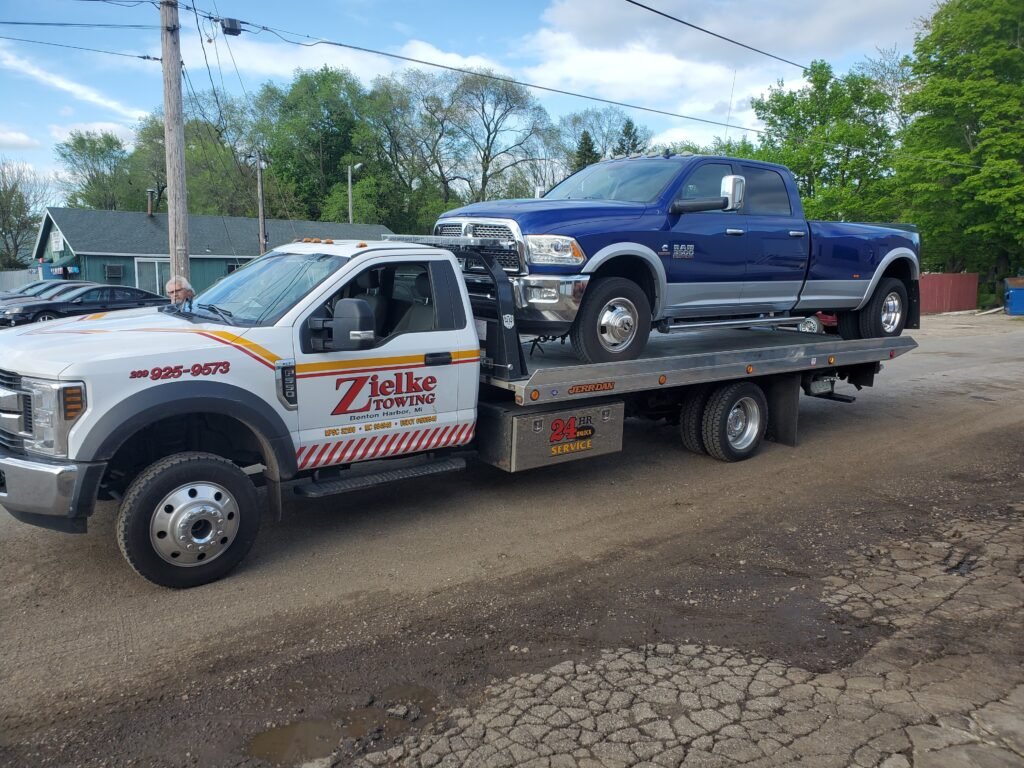
At Arndt’s Towing & Recovery, we respond to countless winter-related breakdowns and accidents each year in Paw Paw and throughout Van Buren County. In this comprehensive guide, we’ll share practical winter towing tips, emergency preparedness advice, and expert recommendations to help you navigate Michigan winters safely. Whether you’re a seasoned winter driver or new to cold-weather driving, these insights will help you avoid becoming another roadside statistic.
Understanding Winter Driving Challenges in Michigan
Michigan winters bring specific challenges that warm-weather drivers may not fully appreciate. The state experiences an average of 150-200 inches of snow annually, depending on your location, combined with temperatures that frequently drop below zero. These extreme conditions create perfect scenarios for vehicle breakdowns and accidents.
Why Winter Vehicles Fail More Frequently
Your vehicle experiences significant stress during winter months. Cold temperatures reduce battery efficiency by approximately 30-50%, engine oil thickens, tire pressure decreases, and mechanical components become more brittle. These physical changes mean that vehicles operating perfectly in autumn may fail completely once winter arrives. This is why winter battery services are one of our most requested assistance calls from November through March.
The Statistics on Winter Accidents
According to the Federal Highway Administration, winter weather is a factor in approximately 24% of fatal crashes and 33% of injury crashes annually. In Michigan specifically, winter accidents increase dramatically, making professional vehicle recovery services essential for drivers facing stuck vehicles, accidents, or emergency situations.
Critical Winter Vehicle Maintenance Before the Cold Arrives
The best time to prepare for winter towing emergencies is before winter actually arrives. Late fall—September through November—is the ideal window for preventative maintenance that could save your life and thousands in repair costs.
Battery Health Assessment
Your battery is the heart of your vehicle’s electrical system. Cold weather reduces its effectiveness dramatically, meaning a battery that works fine in summer may fail completely in winter. Before winter arrives, have a professional inspect your battery’s voltage and condition. If your battery is more than three years old, consider replacement. When battery failure does occur, our battery jump start services can get you mobile quickly, but prevention is always better than emergency intervention.
Tire Selection and Maintenance
This cannot be overstated: winter tires are not a luxury—they’re essential for Michigan driving. Winter tires are specifically formulated with rubber compounds that remain flexible in cold temperatures, providing superior traction compared to all-season tires. Additionally, check your tire pressure regularly, as cold air causes pressure to decrease, potentially leaving you underinflated and at risk for flats or blowouts.
If you experience a flat or tire damage during winter driving, our tire replacement services are available 24/7 to get you back on the road quickly, even in the worst weather conditions.
Oil and Fluid Changes
Winter-grade engine oil flows more easily in cold temperatures compared to all-season oil. Before winter arrives, have your mechanic change your oil to the appropriate winter grade and inspect all other fluids including coolant, transmission fluid, and brake fluid. These fluids thicken in cold and can impact your vehicle’s performance.
Brake System Inspection
Brakes are critical in winter conditions, yet many drivers ignore brake maintenance until problems occur. Have your brakes inspected for worn pads, fluid condition, and proper function. Winter’s slippery conditions make responsive brakes non-negotiable for survival.
Windshield and Wipers
Visibility is essential for safe winter driving. Replace windshield wiper blades before winter and use winter-grade windshield washer fluid that won’t freeze. Consider carrying an ice scraper and snow brush that are easily accessible in your vehicle at all times.
Building Your Winter Emergency Roadside Kit
Despite all your preparation efforts, emergencies still happen. Every Michigan driver should maintain a dedicated winter emergency kit in their vehicle. This kit could be the difference between a minor inconvenience and a life-threatening emergency.
Essential Winter Emergency Supplies
Your winter emergency kit should include:
- Blankets or emergency blankets – Critical for maintaining body heat if stranded
- Extra warm clothing – Hat, gloves, heavy jacket, extra socks
- Flashlight with extra batteries – Essential for nighttime emergencies
- Jumper cables – For battery failures, though professional battery services are safer and more reliable
- First aid kit – For minor injuries
- Non-perishable snacks and water – Essential for extended wait times
- Phone charger – Portable battery backup for your phone
- Ice scraper and snow brush – For removing ice and snow
- Small shovel – For digging out stuck tires or creating traction
- Sand or kitty litter – For improving tire traction on ice
- Flares or reflective triangles – To warn other drivers of your emergency
- Multi-tool or knife – For various emergency situations
- Paper towels and rags – For various emergency needs
A well-stocked winter emergency kit provides immediate resources while you wait for professional roadside assistance.
Winter Towing Emergencies: When to Call Professionals
Understanding when to call professional towing services could save your life. Winter emergencies require specialized equipment and expertise that DIY solutions cannot provide.
Stuck Vehicle Situations
If your vehicle becomes stuck in snow, ice, or slippery conditions, resist the urge to keep accelerating and spinning your tires—this only worsens your situation. Our specialized vehicle recovery services include winch extraction with professional-grade equipment designed specifically for stuck vehicle situations. Whether you’re in a ditch, stuck in deep snow, or sliding off an icy road, our trained operators know exactly how to safely extract your vehicle.
Accident Situations
Winter accidents are common and often involve multiple vehicles. If you’re involved in an accident, first ensure everyone’s safety, then call emergency services if anyone is injured. After emergency services respond, our professional accident recovery team can coordinate with police and insurance to safely remove your damaged vehicle from the roadway.
Mechanical Failures in Winter Conditions
If your engine fails, transmission malfunctions, or other mechanical problems occur during winter, don’t attempt to drive your vehicle. This risks further damage and endangers your safety. Call Arndt’s Towing & Recovery and describe your situation. For most mechanical failures, we recommend flatbed towing to protect your vehicle from further damage during transport.
Black Ice and Hydroplaning
Black ice forms when a thin layer of nearly invisible ice coats the road surface. Black ice frequently causes drivers to lose control unexpectedly. If you hit black ice and feel your vehicle sliding, don’t panic—don’t accelerate or brake suddenly. Try to remain calm and steer in the direction you want the front wheels to go. If you’re unable to recover control and slide off the road, call for professional assistance immediately.
Winter Towing Services: Different Approaches for Different Situations
Not all winter towing situations are the same, and different scenarios require different towing methods. Understanding which towing approach applies to your situation helps us serve you more effectively.
Flatbed Towing for Winter Emergencies
Flatbed towing is often the safest choice for winter emergencies. By placing your entire vehicle on a flatbed truck, we eliminate contact with slippery roads and prevent your tires from spinning on ice. For vehicles with transmission issues, expensive luxury cars, or those with severe damage, flatbed towing provides maximum protection.
Wheel-Lift Towing Considerations
Wheel-lift towing can work in winter for lighter vehicles and shorter distances, but it carries more risk than flatbed towing. Slippery roads can cause vehicles being towed via wheel-lift to slide unpredictably. For winter emergencies, we typically recommend flatbed towing unless specific circumstances warrant wheel-lift approaches.
Heavy-Duty Recovery for Serious Situations
For vehicles stuck in deep snow, ditches, or other challenging terrain, our heavy-duty towing and vehicle recovery services employ specialized winch equipment and techniques. These methods safely extract vehicles from severe winter situations without causing additional damage.
Seasonal Towing for Different Vehicle Types
Winter brings specific challenges for certain vehicle types. Understanding how your vehicle type responds to winter conditions helps you prepare appropriately.
Car Towing in Winter
Standard passenger vehicles become particularly vulnerable in winter. Our car towing services handle sedans, coupes, and compact vehicles with expertise. Lower ground clearance makes cars more susceptible to getting stuck in deep snow, increasing the need for professional recovery services.
Truck Towing and Winter Challenges
Despite their size, trucks face unique winter challenges. Lighter rear ends make trucks prone to sliding, and pickup truck drivers often underestimate winter risks. Our truck towing specialists understand these specific challenges and respond accordingly.
RV, Limo, and Specialty Vehicle Considerations
Winter presents extreme challenges for RVs, limousines, and other specialty vehicles. RV towing, limo towing, and bus towing require specialized equipment and expertise. If you operate these vehicles, ensure you have a professional towing partner before winter arrives.
Winter Roadside Assistance Beyond Towing
Winter emergencies don’t always require a full tow. Sometimes roadside assistance can resolve your situation quickly, getting you back on the road without expensive towing.
Battery Services for Dead Battery Situations
Dead batteries are the number-one winter emergency. Our battery services include professional jump-starting with proper equipment. Unlike attempting a jump-start with jumper cables from a stranger, our professionals ensure the process is done correctly and safely.
Tire Replacement for Flats and Damage
Winter tire damage occurs frequently due to ice, potholes filled with water that freezes, and road salt damage. Our mobile tire replacement services come to your location and install a new tire quickly, often within 30 minutes.
Fuel Delivery Services
Running out of fuel in winter is particularly dangerous. Our fuel delivery services bring gasoline directly to your vehicle, so you don’t have to walk to find a gas station in dangerous cold conditions.
Minor Mechanical Repairs
Some winter breakdowns can be fixed roadside by our technicians, saving you the cost of professional towing. We assess each situation and provide the most cost-effective solution.
Planning Long-Distance Winter Driving
If you’re planning long-distance winter travel, additional preparation is essential.
Pre-Trip Vehicle Inspection
Before any long winter drive, have your vehicle thoroughly inspected. Check all fluids, battery health, brake condition, and tire tread. Ensure your heating system works properly—being stuck in a cold vehicle without heat is dangerous.
Route Planning and Communication
Tell someone where you’re going, your expected route, and when you’ll arrive. If you break down, this information helps emergency responders locate you faster. Program emergency numbers into your phone, including our long-distance towing team.
Avoid Night Driving When Possible
Winter visibility decreases significantly in evening hours and during snow. When possible, plan long winter drives for daytime travel on well-maintained highways.
Winter Weather Driving Techniques
Even with perfect vehicle preparation, winter driving requires different techniques than warm-weather driving.
Acceleration and Deceleration Techniques
On slippery surfaces, accelerate and decelerate slowly. Sudden acceleration causes tire spinning; sudden braking causes skidding. Smooth, gradual inputs help maintain traction.
Maintaining Safe Following Distance
Increase your following distance from 3 seconds to 8-10 seconds behind other vehicles on winter roads. This extra distance gives you time to stop if the vehicle ahead suddenly brakes.
Speed Adjustment
Reduce speed significantly on winter roads. What feels like a safe speed in summer may be dangerously fast on ice or in snow. When conditions are hazardous, driving 15-20 mph slower than posted speed limits is wise.
Handling Skids Safely
If your vehicle begins skidding, resist the urge to brake hard. Instead, ease off the accelerator, steer in the direction you want the front of your vehicle to go, and wait for traction to return. Once you regain control, proceed carefully.
When to Stay Home: Recognizing Dangerous Conditions
Sometimes the safest choice is not to drive at all. Recognize these warning signs indicating roads are too dangerous for travel.
Blizzard Conditions
When visibility drops dramatically and snow accumulation becomes heavy, roads become impassable. Police departments often issue winter storm warnings recommending travel avoidance. Respect these warnings—staying home is safer than becoming stranded.
Extreme Cold
Temperatures below -15 degrees Fahrenheit create vehicle challenges and health dangers if stranded. Extreme cold also causes vehicle mechanical failures. On dangerously cold days, postpone travel when possible.
Recent Snowfall on Untreated Roads
Immediately after significant snowfall, roads are most dangerous before salt trucks and plows arrive. Avoid travel during and for several hours after heavy snowfall.
Building Your Winter Towing Preparedness Plan
Preparation is the best defense against winter emergencies. Create a comprehensive plan before winter arrives.
Program Emergency Contacts
Store Arndt’s Towing & Recovery phone number (+1 269-655-4123) in your phone now, before an emergency forces you to search for it. Programmed emergency contacts are accessible quickly in stressful situations.
Research Towing Options
Before needing towing services, research your options. Our team provides professional, insured towing with transparent pricing and 24/7 availability. Knowing your towing options in advance means you’ll make smart decisions when emergency stress impairs judgment.
Understand Your Insurance Coverage
Review your auto insurance policy to understand what towing coverage you have. Many policies include limited towing coverage, which may not fully cover professional services. Supplemental roadside assistance plans are often affordable and provide peace of mind.
Maintain Your Emergency Kit
Assemble your winter emergency kit now, before winter weather arrives. Store it in your vehicle, check it monthly, replace used items, and verify everything remains in good condition.
When Winter Emergencies Strike: Your Action Plan
Despite all preparations, winter emergencies still happen. When they do, follow this action plan.
Safety First
If you break down or have an accident:
- Turn on hazard lights
- If safe, exit the vehicle away from traffic
- If unsafe to exit, remain in the vehicle with doors locked
- Call emergency services if anyone is injured
Call for Professional Help
Call Arndt’s Towing & Recovery at +1 269-655-4123 immediately. Provide:
- Your exact location
- Vehicle description and condition
- Nature of the emergency
- Your contact information
- Any urgent health concerns
Stay Safe While Waiting
While waiting for our arrival:
- Remain in your vehicle with hazards on
- Keep doors locked if you’re concerned about strangers
- Use your emergency kit supplies (blankets, snacks, water)
- Conserve battery by limiting phone use
- Track our arrival progress if provided
Professional Recovery
When we arrive, we’ll take charge of the situation. Our trained professionals will assess your vehicle and situation, determine the best recovery approach, coordinate with insurance if needed, and transport your vehicle safely.
Year-Round Preparation for Winter Emergencies
Winter preparation isn’t a one-time autumn task—it requires year-round attention. Each season brings different challenges that affect your winter readiness.
Spring: Post-Winter Vehicle Inspection
After winter, have your vehicle inspected for damage sustained during cold months. Road salt causes rust and corrosion; winter driving impact may have caused alignment issues or suspension damage.
Summer: Vehicle Maintenance
Use summer months for preventative maintenance. Service your air conditioning system, inspect brakes, check suspension, and address any issues discovered during spring inspection. Summer is ideal for these repairs since workshops are less busy than during winter preparation rush.
Fall: Final Winter Preparation
As temperatures drop in fall, complete final winter preparation. Replace summer tires with winter tires, have your battery tested, top off all fluids, and prepare your emergency kit.
Arndt’s Towing & Recovery: Your Winter Partner
When winter emergencies strike on Michigan roads, Arndt’s Towing & Recovery is your trusted partner. Available 24/7 throughout winter, we provide comprehensive roadside assistance and towing services including emergency towing, medium-duty services, heavy-duty recovery, vehicle recovery, and battery assistance.
Our team specializes in car towing, truck towing, and all specialty vehicle types. We understand Paw Paw and Van Buren County roads intimately and respond quickly to winter emergencies.
Contact Arndt’s Towing & Recovery
Phone: +1 269-655-4123 (Call anytime—24/7) Location: 43910 30th St LOT 12, Paw Paw, MI 49079, United States Hours: Available 24/7/365 for winter emergencies Service Areas: Paw Paw, Van Buren County, surrounding Michigan regions
Don’t face Michigan winter alone. Save our number today. When winter emergencies strike, Arndt’s Towing & Recovery is ready to help.
Additional Winter Resources
Need more winter driving information? Visit our about us page to learn more about our team’s winter expertise. Have specific winter questions? Contact us anytime. Browse our complete services page for information on all winter assistance options. Check out our blog for additional seasonal driving tips and safety information.